The Most Important Years in a Child’s Life: Why Early Childhood Matters and What You Can Do
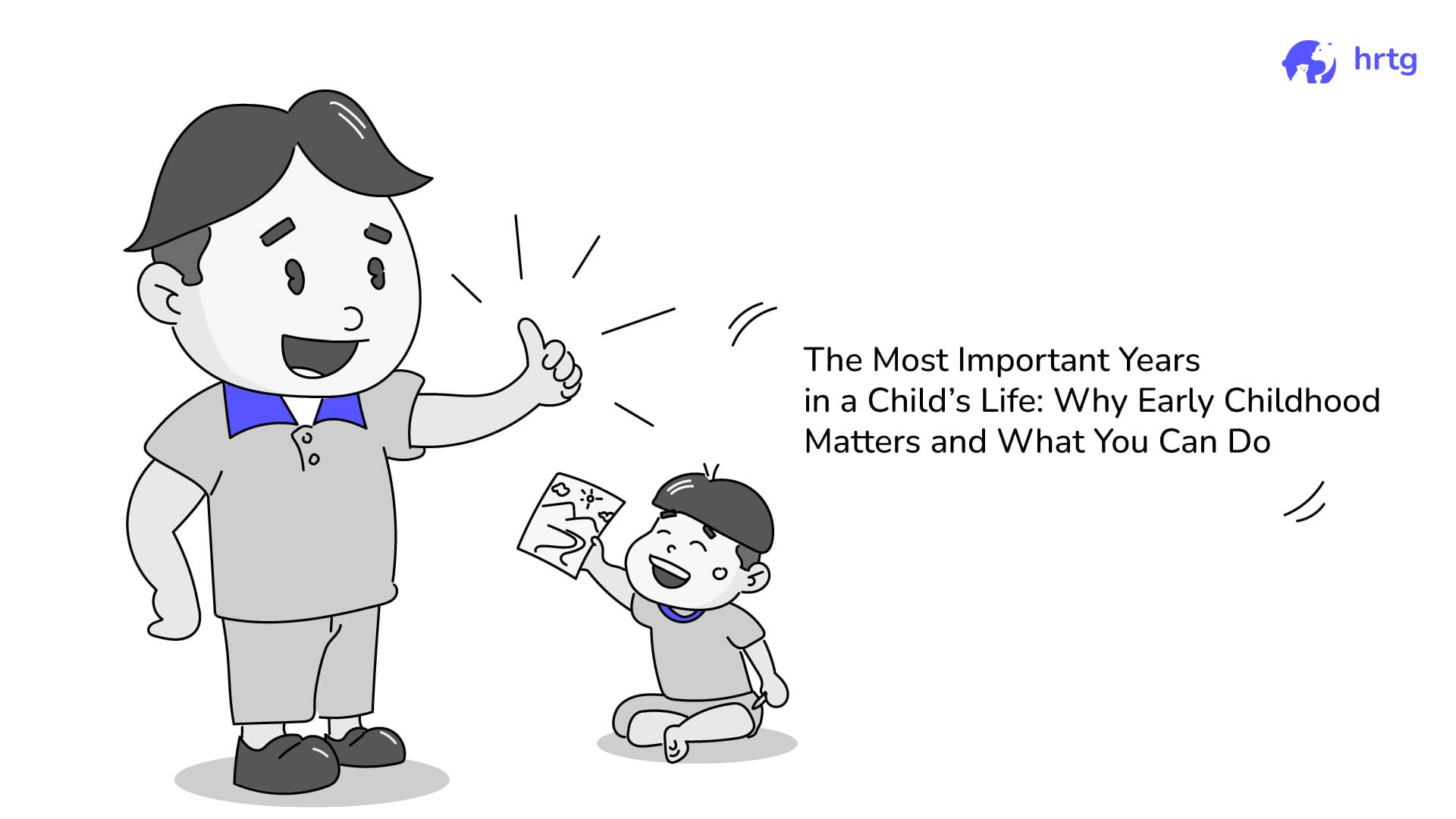
Early childhood is often considered the most critical period in a person's development. Research consistently shows that the experiences...
Early childhood is often considered the most critical period in a person's development. Research consistently shows that the experiences a child has during these formative years can shape their emotional, social, and cognitive skills for the rest of their life. Understanding why these years are so important and how we can make the most of them is crucial for every parent.
Why Early Childhood Matters
1. Brain Development
The human brain undergoes its most rapid growth during the early years. According to research from the Center on the Developing Child at Harvard University, more than one million new neural connections are formed every second in the early years of life. These connections are responsible for the brain's architecture and are the building blocks for all future learning, behavior, and health.
By age three, a child's brain reaches about 80% of its adult size, indicating how critical these early experiences are in shaping cognitive abilities. Proper stimulation during these years can lead to improved language skills, critical thinking, and problem-solving abilities in later life.
Reference: Center on the Developing Child at Harvard University. "InBrief: The Science of Early Childhood Development."
2. Emotional and Social Skills
The development of emotional and social skills is another essential aspect of early childhood. The World Health Organization (WHO) emphasizes that secure, responsive relationships with caregivers lay the foundation for children's emotional resilience and social competence. Children who form strong bonds with their parents or guardians are more likely to develop self-esteem, empathy, and positive relationships later in life.
Experiences that involve nurturing care and consistent interactions help children learn to express and regulate their emotions, which are key skills for handling challenges as they grow.
Reference: World Health Organization. "Nurturing Care for Early Childhood Development: A Framework for Helping Children Survive and Thrive to Transform Health and Human Potential."
3. Language and Communication
During early childhood, language acquisition is at its peak. Research by the National Institute of Child Health and Human Development (NICHD) shows that children who are exposed to a rich language environment in their first few years develop stronger language skills, have a larger vocabulary, and demonstrate better reading comprehension in school.
Talking, singing, and reading to children consistently help to wire the brain for future communication skills. The quantity and quality of words children hear during this stage significantly influence their cognitive and language abilities.
Reference: National Institute of Child Health and Human Development. "The Importance of Early Language Development."
4. Building Habits and Behaviors
Early childhood is also a crucial time for developing habits and behaviors that can last a lifetime. The Centers for Disease Control and Prevention (CDC) highlights that structured routines in these early years help children learn to manage stress, follow rules, and develop self-control. Consistency in daily routines like eating, sleeping, and playing lays the groundwork for self-discipline and adaptability.
Children who learn positive habits early on are more likely to maintain healthy behaviours throughout their lives, making these early experiences essential for long-term well-being.
Reference: Centers for Disease Control and Prevention. "Positive Parenting Tips for Healthy Child Development."
What Parents Can Do to Support Their Child's Development
Here are some practical ways to make the most of these formative years in your child's life:
1. Create a Stimulating Environment
Provide toys, books, and activities that encourage exploration and learning. Choose age-appropriate items that promote creativity and problem-solving.
Encourage playtime that involves different senses, such as touch, sight, and sound, to stimulate brain development.
2. Encourage Language Development
Talk, sing, and read to your child daily. The more words they hear, the better their language skills will develop.
Engage in conversations, even with very young children. Ask open-ended questions and encourage them to express themselves.
3. Build Emotional Connections
Spend quality time with your child to build a secure attachment. Cuddle, make eye contact, and respond to their needs consistently.
Teach them to recognize and name their feelings, helping them understand and manage their emotions.
4. Set a Routine
Establish regular routines for eating, sleeping, and playtime. Routines help children feel secure and teach them about order and discipline.
Make bedtime rituals calming and consistent to promote good sleep habits, which are essential for healthy brain development.
5. Promote Social Interaction
Arrange playdates or group activities to help your child learn to share, take turns, and interact with others.
Teach empathy by modeling kind behavior and encouraging your child to think about how others might feel.
6. Encourage Independence
Give your child opportunities to make choices and solve problems on their own. It could be as simple as letting them choose their outfit or solve a puzzle.
Encourage them to try new things and celebrate their efforts, not just their successes, to build confidence and resilience.
7. Limit Screen Time
The American Academy of Pediatrics recommends that children under 18 months avoid screen time, except for video calls. For children aged 2 to 5, screen time should be limited to one hour per day of high-quality programming.
Instead of screen time, focus on interactive activities that promote movement and brain engagement.
Reference: American Academy of Pediatrics. "Media and Young Minds."
Conclusion
The early years of a child’s life are incredibly important for their overall development and future well-being. As parents, the best thing you can do is provide a nurturing environment that encourages learning, emotional connection, and healthy habits. These small steps taken during these formative years will have a lasting impact on your child's growth and success.
And for those valuable life lessons and memories, we created hrtg.me—a secure platform where parents can record their wisdom and experiences, ensuring that the knowledge you share today will benefit your child tomorrow and beyond.